

where research meets ritual
Research continues to deepen our understanding of what we have long witnessed through practice: that wellbeing is multi-sensory and deeply interconnected. Emerging and established research helps illuminate how touch, scent, sound and intentional design can support the nervous system and nurture whole-body wellbeing. At endota, this growing body of evidence affirms the meaningful impact of our treatments, products and spa environments, supporting the way they help people feel restored, balanced and well.

Massage helps ease feelings of low mood and supports emotional wellbeing when received regularly
Massage helps ease feelings of low mood and supports emotional wellbeing when received regularly
Research into massage therapy highlights its association with moderate improvements in mood and emotional wellbeing, particularly when received regularly over time. Effects were strongest for symptoms of depression and anxiety, and appear to reflect cumulative nervous system regulation rather than a single-session mood lift. Individual responses vary, and benefits depend on context, frequency, and baseline stress.
References: Moyer, C. A., Rounds, J., & Hannum, J. W. (2004). A meta-analysis of massage therapy research. Psychological Bulletin, 130(1), 3–18.
Massage can calm the body’s stress response, helping you feel more relaxed and balanced
Massage can calm the body’s stress response, helping you feel more relaxed and balanced
Research shows that massage therapy can be associated with reduced physiological markers of stress and improved relaxation, including changes consistent with lowered stress-system activation. Rather than directly suppressing stress hormones, massage appears to support nervous system regulation, helping the body shift toward calmer, more balanced states over time, particularly for those experiencing higher levels of stress.
References: Field, T. (2014). Massage therapy research review. Complementary Therapies in Clinical Practice, 20(4), 224–229.
People in clinical trials of massage therapy report less tension, worry, and restlessness after a series of massage sessions
People in clinical trials of massage therapy report less tension, worry, and restlessness after a series of massage sessions
Across a range of studies, regular massage therapy has been associated with self-reported reductions in tension, worry, and restlessness. Meta-analytic findings show consistent improvements in anxiety-related symptoms, while longitudinal clinical studies suggest these changes accumulate over multiple sessions and may persist beyond the treatment period, particularly for those navigating higher levels of emotional or psychological stress.
References: Moyer, C. A., Rounds, J., & Hannum, J. W. (2004). A meta-analysis of massage therapy research. Psychological Bulletin, 130(1), 3–18. ; Field, T. (2014). Massage therapy research review. Complementary Therapies in Clinical Practice, 20(4), 224–229.; Rapaport, M. H., Schettler, P., & Breese, C. (2010). Journal of Alternative and Complementary Medicine, 16(10), 1079–1088.
-> Read full studies:
Massage encourages the body’s natural rest and digest response, supporting resilience to everyday stress
Massage encourages the body’s natural rest and digest response, supporting resilience to everyday stress
Research exploring the body’s stress response shows that massage therapy is associated with shifts toward parasympathetic (“rest and digest”) activity, including changes in heart rate, vagal tone, and stress-related symptoms. Reviews and meta-analyses suggest these effects build with repeated sessions, helping support everyday resilience rather than offering only a fleeting sense of calm.
References: Field, T. (2014). Massage therapy research review. Complementary Therapies in Clinical Practice, 20(4), 224–229.; Moyer, C. A., Rounds, J., & Hannum, J. W. (2004). A meta-analysis of massage therapy research. Psychological Bulletin, 130(1), 3–18. ; Diego, M. A., & Field, T. (2009). International Journal of Neuroscience, 119(5), 630–638.
-> Read full studies:
With ongoing sessions, massage can support overall mental wellbeing, helping you feel calmer, more settled, and better able to cope with daily life.
With ongoing sessions, massage can support overall mental wellbeing, helping you feel calmer, more settled, and better able to cope with daily life.
Evidence from clinical studies and reviews suggests that when massage is received over time, it is associated with broader improvements in mental wellbeing, including feeling calmer, more emotionally settled, and better able to manage daily demands. Rather than relying on a single moment of relief, these benefits appear to build gradually, supporting ongoing stress regulation and overall wellbeing.
References: Moyer, C. A., Rounds, J., & Hannum, J. W. (2004). A meta-analysis of massage therapy research. Psychological Bulletin, 130(1), 3–18.; Field, T. (2014). Massage therapy research review. Complementary Therapies in Clinical Practice, 20(4), 224–229.; Cherkin, D. C., et al. (2011). Annals of Internal Medicine, 155(1), 1–9.
-> Read full studies:
Touch can lower cortisol, supporting stress relief
Touch can lower cortisol, supporting stress relief
Research shows that affective touch can reduce stress-system activation. When nervous system safety increases, demand on the Hypothalamic Pituitary Adrenal axis reduces, which may lead to lower cortisol levels in some individuals.
Cortisol is the downstream output of the body’s stress system. Touch doesn’t force cortisol down. It supports nervous system safety, which reduces demand on the HPA axis. In that context, cortisol levels may reduce, particularly in people with elevated stress
Supporting evidence:
- Reviews and meta-analyses highlight that touch interventions across the lifespan (e.g., massage, social touch) are linked to multiple stress-related benefits. Including buffering against anxiety and stress, reduced cortisol, and enhanced well-being.
References: Packheiser J, Hartmann H, Fredriksen K, Gazzola V, Keysers C, Michon F. A systematic review and multivariate meta-analysis of the physical and mental health benefits of touch interventions. Nat Hum Behav. 2024 Jun;8(6):1088-1107. doi: 10.1038/s41562-024-01841-8. Epub 2024 Apr 8. PMID: 38589702; PMCID: PMC11199149.
- Affective and affectionate touch in everyday life (e.g., affectionate contact and hug frequency) has been associated with momentary well-being and hormonal correlates, including cortisol measures alongside oxytocin assessments.
References: Schneider E, Hopf D, Aguilar-Raab C, Scheele D, Neubauer AB, Sailer U, Hurlemann R, Eckstein M, Ditzen B. Affectionate touch and diurnal oxytocin levels: An ecological momentary assessment study. Elife. 2023 May 30;12:e81241. doi: 10.7554/eLife.81241. PMID: 37252874; PMCID: PMC10229112.
- Research on social touch indicates that human contact, including interpersonal touch between partners, can reduce physiological stress levels and modulate stress reactivity — measured indirectly via cortisol patterns and related markers.
References: Eckstein M, Mamaev I, Ditzen B, Sailer U. Calming Effects of Touch in Human, Animal, and Robotic Interaction-Scientific State-of-the-Art and Technical Advances. Front Psychiatry. 2020 Nov 4;11:555058. doi: 10.3389/fpsyt.2020.555058. PMID: 33329093; PMCID: PMC7672023.
- Experimental psychophysiology studies suggest that affective touch (gentle, pleasant contact) plays a role in autonomic and affective regulation consistent with reduced stress system activation, even if cortisol isn’t always the primary marker tested.
References: Letizia Della Longa, Michela Sarlo, Teresa Farroni, Does affective touch buffer emotional distress? Insights from subjective and physiological indices, Social Cognitive and Affective Neuroscience, Volume 20, Issue 1, 2025, nsaf090, https://doi.org/10.1093/scan/nsaf090
- A controlled study of repeated scalp massage in adults found significant reductions in cortisol and other stress-related hormones alongside increased markers of parasympathetic activity, consistent with safety-driven regulation of the stress system rather than direct biochemical suppression.
References: Kim IH, Kim TY, Ko YW. The effect of a scalp massage on stress hormone, blood pressure, and heart rate of healthy female. J Phys Ther Sci. 2016 Oct;28(10):2703-2707. doi: 10.1589/jpts.28.2703. Epub 2016 Oct 28. PMID: 27821918; PMCID: PMC5088109.
- A randomized controlled study found that self-soothing touch and receiving hugs reduced cortisol responses to stress compared to controls, showing cortisol differences over time in touch conditions versus no touch.
References: Dreisoerner A, Junker NM, Schlotz W, Heimrich J, Bloemeke S, Ditzen B, van Dick R. Self-soothing touch and being hugged reduce cortisol responses to stress: A randomized controlled trial on stress, physical touch, and social identity. Compr Psychoneuroendocrinol. 2021 Oct 8;8:100091.
- Studies on affectionate touch (hugs, social touch) have been associated with stress-buffering effects, including lower momentary cortisol and attenuation of HPA-axis responses during stress.
References: Romney CE, Arroyo AC, Robles TF, Zawadzki MJ. Hugs and Cortisol Awakening Response the Next Day: An Ecological Momentary Assessment Study. Int J Environ Res Public Health. 2023 Mar 30;20(7):5340. doi: 10.3390/ijerph20075340.
- A large meta-analysis of touch interventions reports that touch (e.g., massage, gentle tactile contact) was especially effective in regulating cortisol levels alongside improvements in anxiety and stress outcomes.
References: Packheiser, J., Hartmann, H., Fredriksen, K. et al. A systematic review and multivariate meta-analysis of the physical and mental health benefits of touch interventions. Nat Hum Behav 8, 1088–1107 (2024). https://doi.org/10.1038/s41562-024-01841-8
- Experimental research indicates that affective touch and social contact can reduce psychobiological stress reactivity (including cortisol in some contexts) and are part of broader stress-regulation mechanisms.
References: Eckstein M, Mamaev I, Ditzen B, Sailer U. Calming Effects of Touch in Human, Animal, and Robotic Interaction-Scientific State-of-the-Art and Technical Advances. Front Psychiatry. 2020 Nov 4;11:555058. doi: 10.3389/fpsyt.2020.555058. PMID: 33329093; PMCID: PMC7672023.
- Field massage and gentle human touch in infants were shown to reduce urine cortisol compared to control conditions, supporting a stress-reduction interpretation of touch interventions.
References: Asadollahi M, Jabraeili M, Mahallei M, Asgari Jafarabadi M, Ebrahimi S. Effects of Gentle Human Touch and Field Massage on Urine Cortisol Level in Premature Infants: A Randomized, Controlled Clinical Trial. J Caring Sci. 2016 Sep 1;5(3):187-194. doi: 10.15171/jcs.2016.020. PMID: 27752484; PMCID: PMC5045952.
For a detailed overview on the Physiological & Biochemical Responses to Touch, click here.
Touch can release oxytocin encouraging calm and connection
Touch can release oxytocin encouraging calm and connection
Oxytocin is a neuropeptide produced in the hypothalamus and released both into the bloodstream and directly within the brain. Its effects depend heavily on context.
Research shows that affective, socially meaningful touch can stimulate oxytocin release, particularly when the nervous system is in a state that supports safety and parasympathetic regulation. In this context, oxytocin contributes to feelings of calm, connection, and social openness, and can further dampen stress-system activity.
Rather than acting as a simple “feel-good” hormone, oxytocin functions as a salience and safety modulator. When the brain predicts safety, oxytocin signalling supports bonding, relaxation, and trust. When threat is present, oxytocin does not reliably produce these effects.
This is why touch does not force oxytocin release. It creates the conditions under which oxytocin signalling can support calm and connection.
Supporting Evidence:
- Research synthesising human and animal studies shows that non-noxious sensory stimulation, including gentle interpersonal and self-soothing touch, can activate oxytocinergic pathways that promote parasympathetic regulation and reduce stress-system activity, particularly in contexts perceived as safe and predictable.
References: Uvnäs-Moberg K, Handlin L, Petersson M. Self-soothing behaviors with particular reference to oxytocin release induced by non-noxious sensory stimulation. Front Psychol. 2015 Jan 12;5:1529. doi: 10.3389/fpsyg.2014.01529. PMID: 25628581; PMCID: PMC4290532.
- Neurobiological research on affective touch identifies specialised C-tactile afferents that link gentle skin contact to brain regions involved in emotion, reward, and social affiliation, providing a sensory pathway through which touch can support oxytocin-mediated bonding and social connection.
References: Walker SC, McGlone FP. The social brain: neurobiological basis of affiliative behaviours and psychological well-being. Neuropeptides. 2013 Dec;47(6):379-93. doi: 10.1016/j.npep.2013.10.008. Epub 2013 Oct 23. PMID: 24210942.
- Reviews of social touch and stress regulation indicate that oxytocin signalling contributes to stress buffering, including attenuation of HPA-axis activity and support of emotional regulation in socially safe contexts.
References: Eckstein M, Scheele D, Weber K, Stoffel-Wagner B, Maier W, Hurlemann R. Oxytocin facilitates the sensation of social stress. Hum Brain Mapp. 2014 Sep;35(9):4741-50. doi: 10.1002/hbm.22508. Epub 2014 Mar 21. PMID: 24659430; PMCID: PMC6869318.
- Contemporary theoretical models emphasise that oxytocin functions as a context-dependent modulator of social salience rather than a universal “bonding hormone,” supporting calm, trust, and affiliation when safety is predicted, but not reliably producing these effects under conditions of threat or uncertainty.
References: Shamay-Tsoory SG, Abu-Akel A. The Social Salience Hypothesis of Oxytocin. Biol Psychiatry. 2016 Feb 1;79(3):194-202. doi: 10.1016/j.biopsych.2015.07.020. Epub 2015 Aug 5. PMID: 26321019.
- A controlled study examining a brief upper-back massage found increases in circulating oxytocin alongside reductions in ACTH, a key stress-axis hormone, suggesting that nurturing touch can engage neuroendocrine pathways linked to calm, social bonding, and reduced stress signalling.
References: Morhenn V, Beavin LE, Zak PJ. Massage increases oxytocin and reduces adrenocorticotropin hormone in humans. Altern Ther Health Med. 2012 Nov-Dec;18(6):11-8. PMID: 23251939.
For a detailed overview on the Physiological & Biochemical Responses to Touch, click here.
Touch can create endorphins promoting a feeling of renewal
Touch can create endorphins promoting a feeling of renewal
Research across neuroscience, psychophysiology, and pain science shows that gentle, affective touch can engage the body’s endogenous opioid (endorphin) system, which plays a central role in modulating pain, internal bodily signal intensity, and affective state. In contexts of safety and parasympathetic regulation, endorphin signalling is associated with reduced interoceptive “noise,” relief from background discomfort, and subjective feelings often described as lightness, ease, or renewal. Rather than acting as a simple pleasure response, endorphin release supports state-dependent regulation by quieting bodily demand and reinforcing safety predictions.
Supporting Evidence:
- Human and animal research demonstrates that endogenous opioids are released in response to touch and social contact, contributing to pain modulation, calming effects, and affective regulation, particularly in safe, non-threatening contexts.
References: Field T., Touch for socioemotional and physical well-being: A review. Developmental Review. 2010; 30(4): 367-383.
Benedetti F, Mayberg HS, Wager TD, Stohler CS, Zubieta JK. Neurobiological mechanisms of the placebo effect. J Neurosci. 2005 Nov 9;25(45):10390-402. doi: 10.1523/JNEUROSCI.3458-05.2005. PMID: 16280578; PMCID: PMC6725834.
- Neuroscience research shows that endorphins act through μ-opioid receptors to reduce the salience of bodily signals, supporting relief and a sense of ease rather than sedation, and playing a role in both pain reduction and positive affect.
References: Leknes S, Tracey I. A common neurobiology for pain and pleasure. Nat Rev Neurosci. 2008 Apr;9(4):314-20. doi: 10.1038/nrn2333. PMID: 18354400.
- Experimental studies indicate that pleasant touch and affiliative contact engage brain regions involved in endogenous opioid modulation, overlapping with—but functionally distinct from—stress- or threat-related analgesic pathways.
References: Fields H. State-dependent opioid control of pain. Nat Rev Neurosci. 2004 Jul;5(7):565-75. doi: 10.1038/nrn1431. PMID: 15208698.
- Massage and touch-based interventions have been associated with reduced pain, improved mood, and feelings of renewal, effects consistent with activation of endogenous opioid systems rather than direct mechanical or pharmacological action.
References: Moyer CA, Rounds J, Hannum JW. A meta-analysis of massage therapy research. Psychol Bull. 2004 Jan;130(1):3-18. doi: 10.1037/0033-2909.130.1.3. PMID: 14717648.
- Contemporary models of pain and interoception emphasise that endogenous opioids reduce background bodily “noise,” allowing the nervous system to stabilise calm states and reinforcing safety-based regulation rather than performance or mobilisation.
References: Leknes S, Tracey I. A common neurobiology for pain and pleasure. Nat Rev Neurosci. 2008 Apr;9(4):314-20. doi: 10.1038/nrn2333. PMID: 18354400.
- Controlled studies in high-stress populations, including pregnant women with elevated baseline stress, show that repeated massage therapy is associated with reductions in cortisol alongside improvements in mood and stress-related outcomes, consistent with reduced HPA-axis demand rather than direct hormonal suppression.
References: Field T, Hernandez-Reif M, Diego M, Schanberg S, Kuhn C. Cortisol decreases and serotonin and dopamine increase following massage therapy. Int J Neurosci. 2005 Oct;115(10):1397-413. doi: 10.1080/00207450590956459. PMID: 16162447.
For a detailed overview on the Physiological & Biochemical Responses to Touch, click here.

Beyond measures and markers, caring touch and a sense of safety can encourage rest
Beyond measures and markers, caring touch and a sense of safety can encourage rest
Qualitative and clinical research shows that caring touch offers benefits not always captured by physiological measures alone. Studies in both therapeutic and palliative settings highlight how touch can foster a sense of safety, comfort, and being cared for, allowing deeper rest and ease. These effects reflect relational and emotional regulation as much as measurable clinical change.
References: Ntoumas, I., et al. (2025). BMC Complementary Medicine and Therapies, 25, 290; Kutner, J. S., et al. (2008). Annals of Internal Medicine, 149(6), 369–379.
-> Read full studies:
Research indicates that massage therapy can improve sleep quality and reduce fatigue, particularly in individuals with chronic conditions
Research indicates that massage therapy can improve sleep quality and reduce fatigue, particularly in individuals with chronic conditions
Clinical trials in people living with chronic conditions, including fibromyalgia and chronic fatigue syndrome, show that repeated massage therapy is associated with improved sleep quality and reduced fatigue. These benefits appear to develop over a course of sessions and may reflect reduced pain, improved relaxation, and better regulation of stress-related arousal rather than direct sleep induction.
References: Field, T. (2014). Massage therapy research review. Complementary Therapies in Clinical Practice, 20(4), 224–229. Field, T. M., Sunshine, W., Hernandezreif, M., Quintino, O., Schanberg, S., Kuhn, C., & Burman, I. (1997). Massage Therapy Effects on Depression and Somatic Symptoms in Chronic Fatigue Syndrome. Journal Of Chronic Fatigue Syndrome, 3(3), 43–51. Field T, Diego M, Cullen C, Hernandez-Reif M, Sunshine W, Douglas S. Fibromyalgia pain and substance P decrease and sleep improves after massage therapy. J Clin Rheumatol. 2002 Apr;8(2):72-6. Hernandez-Reif, M., Field, T., Krasnegor, J., & Theakston, H. (2001). Lower back pain is reduced and sleep quality is improved following massage therapy. Journal of Psychosomatic Research, 51(4), 589–595.
-> Read full studies:
Touch has long been one of humanity’s simplest sleep remedies - calming the nervous system and inviting rest
Touch has long been one of humanity’s simplest sleep remedies - calming the nervous system and inviting rest
Across both contemporary research and longstanding human practice, touch has been used to support rest by calming the nervous system and signalling safety. Clinical and observational studies suggest that massage therapy can reduce arousal and mental restlessness, supporting sleep quality by creating the conditions for rest to emerge naturally rather than directly inducing sleep.
References: Field, T. (2014). Massage therapy research review. Complementary Therapies in Clinical Practice, 20(4), 224–229. And Ivanova, S. (2024). The effect of massage therapy on the sleep quality in healthy adults. Current Trends in Natural Sciences, 13(26). And Ntoumas, I., et al. (2025). Effects of therapeutic touch interventions on sleep and wellbeing: A qualitative and clinical perspective. Healthcare, 13(180).
-> Read full studies:
Massage restores the language of touch, helping the body remember how to settle into sleep
Massage restores the language of touch, helping the body remember how to settle into sleep
Research suggests that massage therapy and therapeutic touch can support sleep by reducing physiological and mental arousal and reinforcing sensations of safety and comfort. Rather than inducing sleep directly, touch-based interventions may help the nervous system re-familiarise itself with states of calm, allowing the body to more easily settle into rest when sleep has been disrupted.
References: Ivanova, S. (2024). The effect of massage therapy on the sleep quality in healthy adults. Current Trends in Natural Sciences, 13(26). And Ntoumas, I., et al. (2025). Effects of therapeutic touch interventions on sleep and wellbeing: A qualitative and clinical perspective. Healthcare, 13(180).
-> Read full studies:
Massage isn’t just technique - it’s touch, connection, and the conditions for deep sleep
Massage isn’t just technique - it’s touch, connection, and the conditions for deep sleep
Research suggests that the sleep-related benefits of massage extend beyond physical technique alone. Reviews and clinical studies indicate that caring touch and human connection play a central role in reducing arousal and supporting comfort and safety. In clinical populations, including people undergoing cancer treatment, massage has been associated with improved sleep quality by fostering the conditions for rest rather than directly inducing sleep.
References: Field, T. (2014). Massage therapy research review. Complementary Therapies in Clinical Practice, 20(4), 224–229. And Kashani, F., Kashani, P., & Rezaei, M. (2014).The effect of massage therapy on the quality of sleep in breast cancer patients. Iranian Journal of Nursing and Midwifery Research, 19(2), March–April.
-> Read full studies
In a world that leaves us restless, massage reintroduces the comfort of touch that supports sleep and eases fatigue
In a world that leaves us restless, massage reintroduces the comfort of touch that supports sleep and eases fatigue
Qualitative and clinical evidence suggests that therapeutic touch can address restlessness and fatigue by restoring feelings of comfort, safety, and emotional ease. Rather than acting as a direct sleep or energy intervention, touch-based care appears to support nervous system settling, helping people feel more at rest and less depleted in contexts where modern life disrupts natural rhythms.
References: Ntoumas, I., et al. (2025). Effects of therapeutic touch interventions on sleep and wellbeing: A qualitative and clinical perspective. Healthcare, 13(180).
These insights show how the benefits of your treatment extend beyond the therapy room, supporting your everyday wellbeing. By nurturing yourself with regular touch and mindful self-care, small, consistent actions can add up to a holistic sense of calm, balance, and renewal.

Nightly exposure to essential oils led to improvements in brain structure, specifically in the uncinate fasciculus - a key brain pathway related to memory and emotion
Nightly exposure to essential oils led to improvements in brain structure, specifically in the uncinate fasciculus - a key brain pathway related to memory and emotion
In an exploratory study conducted over a 6-month period, structured nightly olfactory enrichment using a rotating set of essential oil aromas was associated with changes in brain structure, including the uncinate fasciculus, a pathway involved in memory and emotion. The findings suggest that sustained, varied sensory enrichment may influence brain plasticity over time, within the specific conditions studied.
References: Woo, C. C., Miller, K. J., Grelotti, D. J., & Miller, B. L. (2023). Overnight olfactory enrichment using an odorant diffuser improves memory and modifies the uncinate fasciculus in older adults. Frontiers in Neuroscience, 17, 1200448.
Exposure to natural oil fragrances for two hours each night has shown to improve verbal memory by a remarkable 226 percent improvement compared to a control group
Exposure to natural oil fragrances for two hours each night has shown to improve verbal memory by a remarkable 226 percent improvement compared to a control group
In a controlled study, older adults exposed nightly to a structured rotation of natural essential oil aromas for two hours over a six-month period showed substantially greater improvements in verbal memory compared to a control group, with relative gains reported as 226 percent higher. These changes reflect improvement from baseline and are specific to the study population and enrichment protocol.
References: Woo, C. C., Miller, K. J., Grelotti, D. J., & Miller, B. L. (2023). Overnight olfactory enrichment using an odorant diffuser improves memory and modifies the uncinate fasciculus in older adults. Frontiers in Neuroscience, 17, 1200448.
In a recent study, essential oil exposure led to measurable improvements in memory and brain structure
In a recent study, essential oil exposure led to measurable improvements in memory and brain structure
A recent exploratory study found that repeated nightly exposure to a structured rotation of essential oil aromas was associated with improvements in verbal memory and measurable changes in white-matter integrity in a brain pathway involved in memory and emotion. While promising, these findings are preliminary and specific to the study population, enrichment protocol, and duration.
References: Woo, C. C., Miller, K. J., Grelotti, D. J., & Miller, B. L. (2023). Overnight olfactory enrichment using an odorant diffuser improves memory and modifies the uncinate fasciculus in older adults. Frontiers in Neuroscience, 17, 1200448.
Olfactory enrichment with essential oils may help support healthy brain ageing
Olfactory enrichment with essential oils may help support healthy brain ageing
Emerging research suggests that structured olfactory enrichment using essential oils may support aspects of healthy brain ageing by engaging neural pathways involved in memory and emotion. In a recent exploratory study, repeated nightly exposure to a rotating set of aromas was associated with improvements in memory performance and changes in brain white-matter measures, though broader effects on ageing trajectories remain to be established.
References: Woo, C. C., Miller, K. J., Grelotti, D. J., & Miller, B. L. (2023). Overnight olfactory enrichment using an odorant diffuser improves memory and modifies the uncinate fasciculus in older adults. Frontiers in Neuroscience, 17, 1200448.
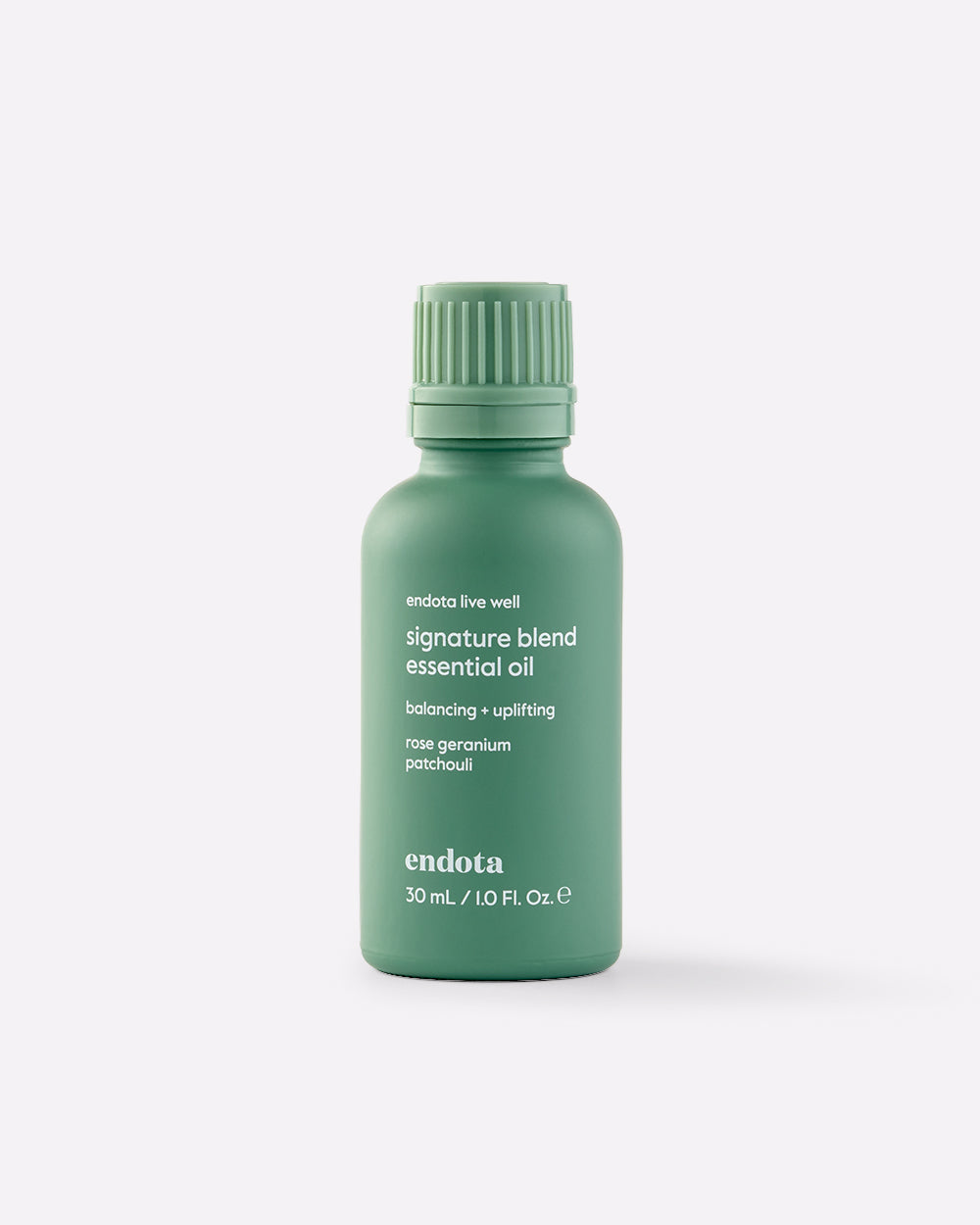
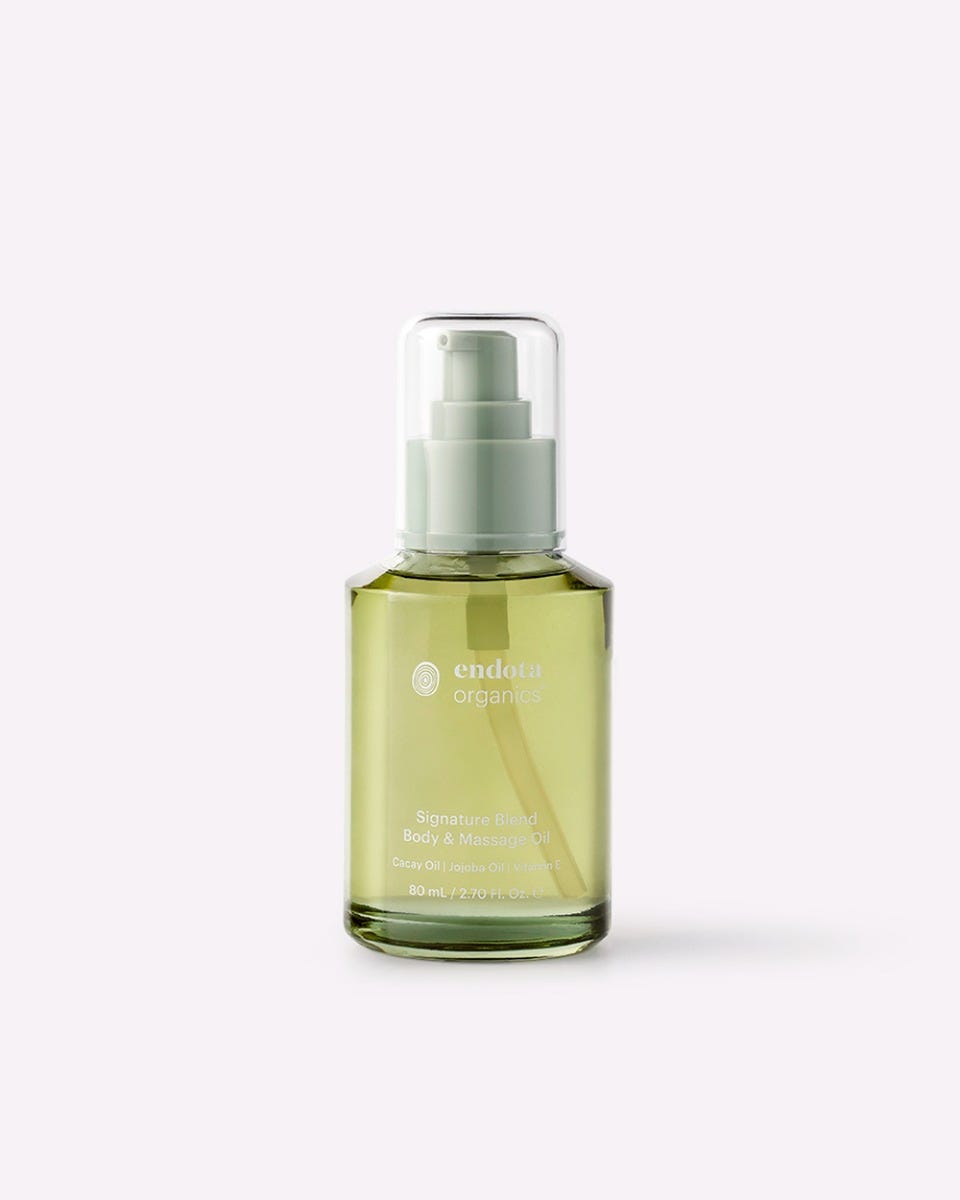
These findings demonstrate just some of the many benefits that being exposed to 100% pure essential oils have, helping support both emotional and cognitive wellbeing through the power of scent. At endota, we pride ourselves on our all-natural aromatherapy range, available to enjoy both in spa and at home.

dr hayley dickinson
Dr Hayley Dickinson is a reproductive physiologist with expertise in developmental programming and stress physiology with a distinguished career as a trusted scientific advisor and researcher. In her advisory role with endota, Hayley helps bridge scientific understanding and everyday wellbeing, ensuring that emerging research is interpreted with nuance, integrity, and respect for individual experience.
As both a scientist and a mother, Hayley brings a grounded, relational perspective to her work, with a particular focus on nervous system regulation, self-trust, and approaches to wellbeing that honour the body’s innate capacity for balance and restoration. She is passionate about empowering women to prioritise self-care, understand their bodies, and pursue wellbeing in ways that honour their unique needs. Her guidance supports endota’s commitment to sharing credible, thoughtful wellness knowledge with care, clarity, and integrity.
wellness research FAQs
How does endota source the wellness research featured here?
At endota, we stay informed on the latest wellness research through trusted sources like the Global Wellness Institute, a leading international authority dedicated to evidence-based wellbeing. Their work draws on research from respected academics, medical experts, and industry leaders worldwide, ensuring the insights we share are credible and grounded in global perspectives. All research we feature is published in international, peer-reviewed journals and can be accessed via PubMed, a free, openly available database of life sciences and biomedical literature.
How are research findings applied at endota?
Research validates what we’ve long known through experience: that self-care and wellbeing are deeply interconnected. As scientific understanding evolves, it continues to highlight the value of holistic rituals that support both body and mind. These insights guide how we share trusted wellbeing knowledge, from education to storytelling, helping you bring these benefits into everyday life.
Is this research conducted by endota or third parties?
In partnership with our scientific advisor, Dr Hayley Dickinson, PhD, endota has conducted independent research on the physiological effects of our Organic Relax Massage, highlighting how massage supports wellbeing through evidence-informed practice. You can view the full study here.
Beyond this study, the research we draw on comes from independent experts, including academics, medical experts and industry leaders worldwide, whose work is publicly available. endota does not claim ownership of this research; instead, we work closely with Dr Hayley Dickinson, PhD, to carefully curate and interpret trusted external insights, so that our approach to wellness is grounded in evidence.
the endota environment
Every endota spa is created as a multisensory space that encourages calm and supports regulation. You may notice:
- warm, soft lighting that soothes rather than strains
- natural textures that feel grounding and comforting
- simple, uncluttered design to reduce sensory load
- gentle soundscapes that help settle the mind
- pure essential oil aromas that cue the body toward rest
Together, these elements create a therapeutic environment that nurtures your wellbeing on every level.

discover endota