

Most of us understand, in theory, that rest is important. We know we should sleep more, slow down and take better care of ourselves. And yet self-care remains something many of us treat as optional, a reward for a productive week rather than a practice worth protecting.
According to Dr Grace Ng, Brain Health Specialist and part of the endota Wellbeing Conversation, the way most of us think about self-care is worth reconsidering. Not as a matter of treating yourself, she explains, but understanding that the things you do consistently to rest and restore are, according to the neuroscience, some of the most important things you can do for your brain.
what neuroplasticity actually means
Most people assume the brain they have now is more or less fixed. But one of the more hopeful things neuroscience offers is the understanding that this isn't true. The brain changes in response to what you do repeatedly, and the pathways you use most become the ones that shape how you think, feel and recover.¹
As Dr Ng puts it, "what you practise, your brain gets better at." That applies to focus and learning, yes, but it also applies to rest, stillness and the ability to recover from a hard day. The nervous system that feels permanently switched on, that struggles to wind down even when you finally have a moment, is also a trained state. And one that, with consistent practice, can begin to shift. This is the foundation of neuroplasticity and habits: what the brain does repeatedly, it becomes better at.
Which means the small things you do for yourself are doing more than you might think. Done regularly, they aren't just felt in the moment. They are quietly becoming the brain health habits that shape how you cope, how you sleep and how you feel over time. Understanding how to rewire your brain doesn't require anything dramatic. It begins with consistency, and it begins with care.
what happens in the brain when you rest consistently
Most of us know that a bad night’s sleep leaves us foggy and short-tempered. What is less widely understood is what is actually happening in the brain while we sleep, and what we lose when that sleep is cut short too often.
During deep sleep, the glymphatic system activates. Dr Ng describes it as “the garbage collection component of the brain’s clearance system,” a mechanism that clears the metabolic waste accumulated through the day, including proteins associated with neurodegenerative disease.² “There are a lot of things that are the enemy of good deep sleep,” Dr Ng notes. “Watching movies, swiping right, going through social media, all of these stop you from really getting the rest that you need.”
When that deep sleep is disrupted night after night, this system never gets the time it needs and the effects accumulate in ways that go beyond tiredness. “When people don’t get enough sleep, you can actually see those changes on the brain,” Dr Ng says. “On an anatomical level, you actually start seeing grey matter changes, that is the thinning.” Consistent quality rest, by contrast, reduces cortisol, supports immune function and protects the prefrontal cortex, the area of the brain most vulnerable to the long-term effects of stress.³

the long-term results of stillness practice
There is a version of rest that goes beyond sleep, and most of us are not getting enough of it either.
"Stillness is active maintenance," Dr Ng says. "Think of it as the time in which you can drop your brain from this really focused state, beta waves, into something that's much more rest and repair." Even a few minutes of intentional quiet, breathwork or simply sitting without reaching for the phone can begin to move the brain toward the slower wave states where restoration happens. With practice, Dr Ng notes, that shift becomes easier to access.
Research has shown increased brain matter density in people who maintain a consistent practice of breathwork or meditation, specifically in areas linked to thinking and executive function.⁴ "The result of stillness practice long-term," Dr Ng explains, "is better decision making, sharper decision making and that ability to emotionally regulate yourself, being able to tip over to one side and find centre again more quickly, more frequently."
"The result of stillness practice long-term is better decision making, sharper decision making and that ability to emotionally regulate yourself"
Stillness looks different for everyone and that is worth remembering. It might be seated breathwork, a moving meditation or a quiet cup of tea. "The point is to find your stillness," Dr Ng says, "and find that moment where thoughts wash over you and you don't have to worry about the world for the moment."
why rituals matter more than occasions
The key word when it comes to neuroplasticity and habits is consistency. A single massage won’t rewire anything but a repeated pattern of recovery, rest and restoration begins to shift the brain’s default settings over time.
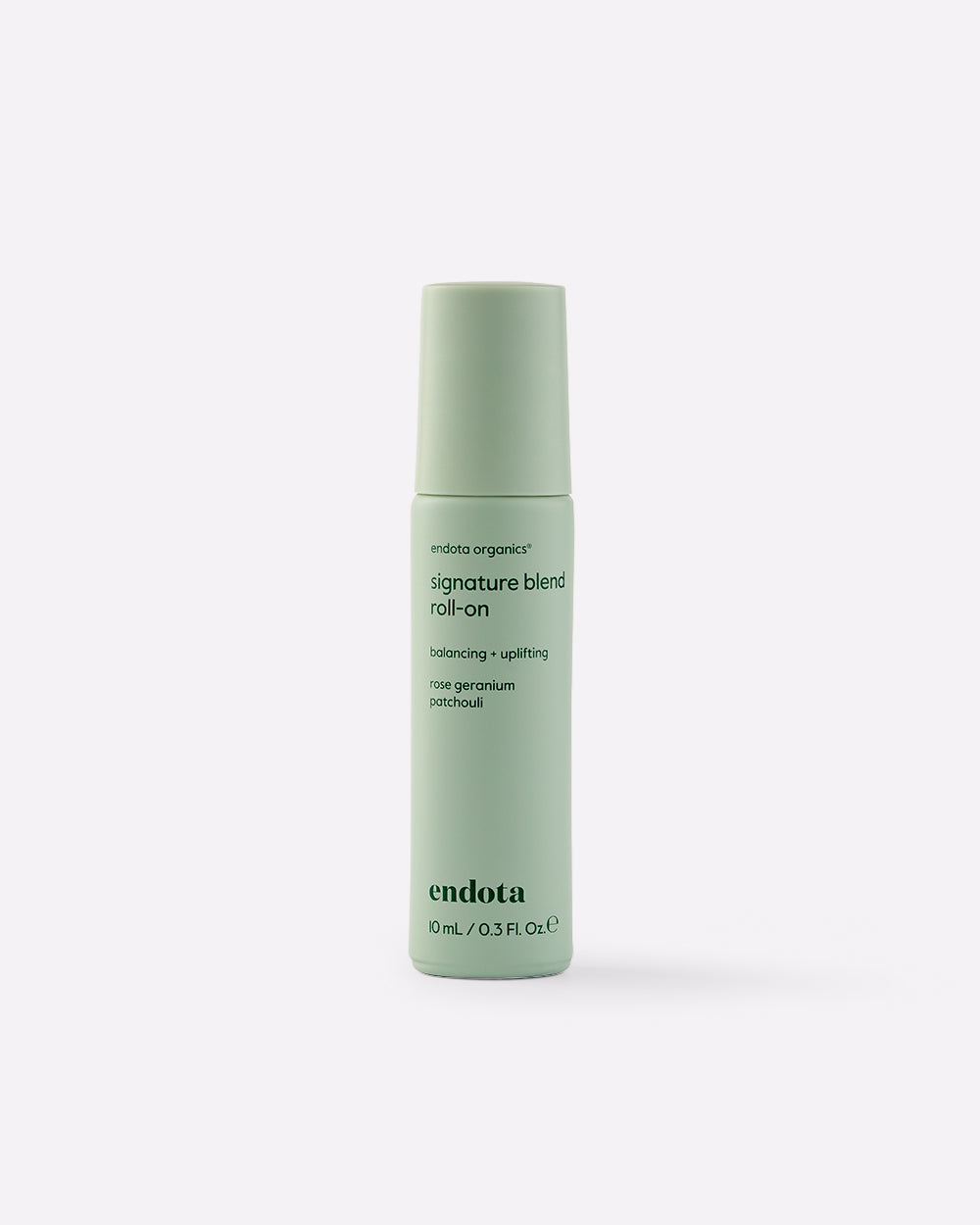
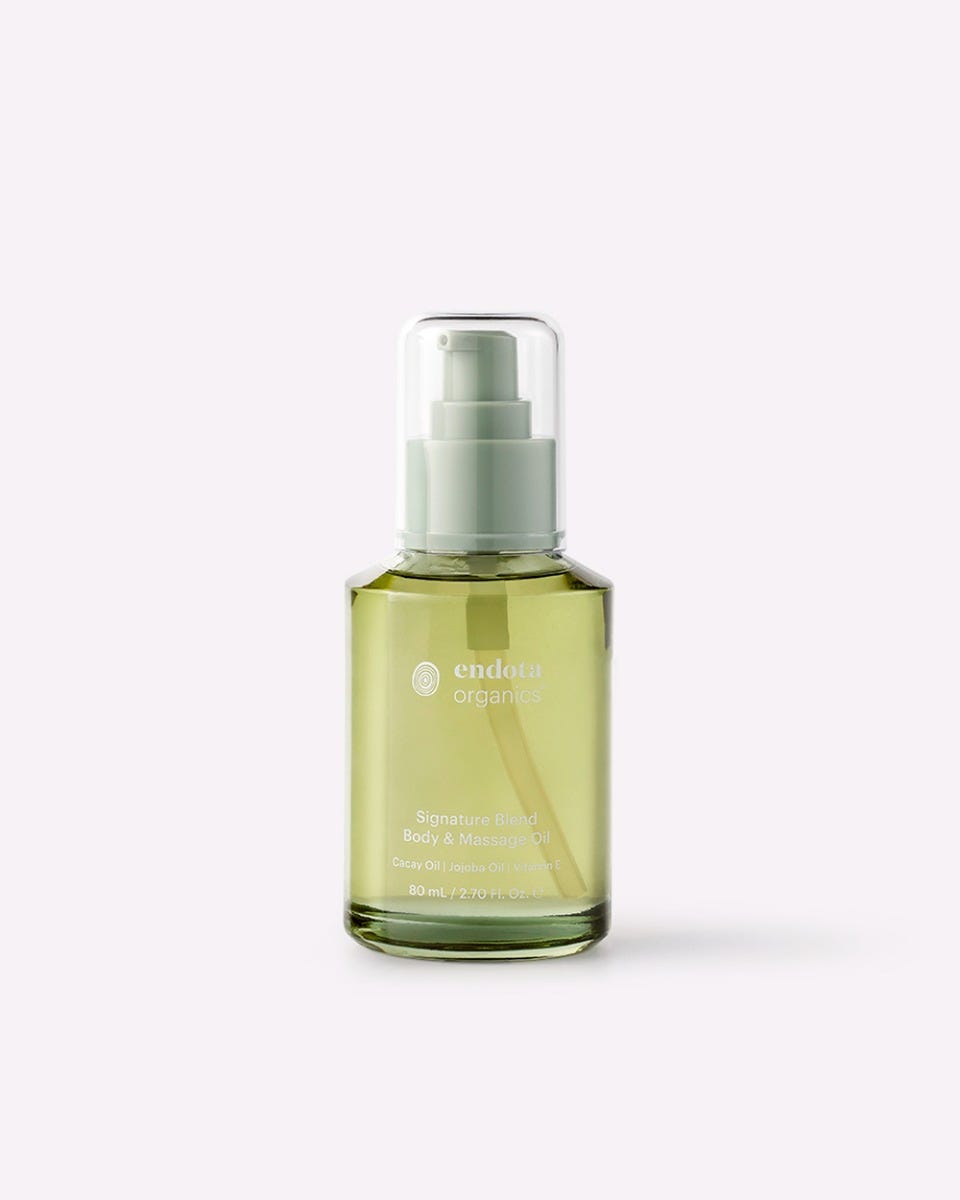
Small, consistent interventions matter here more than grand ones. Dr Ng’s own sleep practice includes writing down the next day’s to-do list before bed, “so I’m not ruminating about it during sleep time,” a simple act that allows the brain to prune rather than persist through the night. The endota Rest & Restore range works in this same spirit, as a home ritual that anchors a consistent evening wind-down and signals to the brain that rest is coming. Over weeks and months the brain learns the cue and the shift begins to happen more readily each time.
When a spa visit is possible, approaching it as a recovery appointment rather than a treat shifts something. The Surrender package and the Rejuvenate package are designed with that kind of intention, and the self-care benefits of returning regularly, compound in ways that a single visit cannot quite replicate.

the role of sensory care in neural repair
There is something quietly powerful about the way the body responds to touch, warmth and intentional sensory experience, and it goes beyond how those things make us feel in the moment.
“There’s a neurovisceral component to massage,” Dr Ng explains. “It’s not just the idea that you get to chill out for an hour. Your peripheral nervous system is receiving signals to essentially chill out but also grow in particular ways, releasing factors and starting to have an experience that nourishes and regenerates the body.” What massage does, at a neurological level, is signal to the body that it is no longer in fight-or-flight and that it can rest and repair. “After you have a great massage,” Dr Ng notes, “you usually have a really good sleep.”
The endota Organic Relax Massage is designed to support exactly this kind of nervous system shift, activating the specific nerve fibres that signal safety and stillness to the brain.⁵ For tension that has settled more deeply into the body’s structure, the endota Remedial Massage offers more targeted release and between visits, endota Retreat provides guided breathwork and body awareness exercises that can be done from home.
Scent adds another layer to this. “Smell is one of the most powerful ways to stimulate the brain,” Dr Ng says. “When you smell something, the signal is received by the olfactory bulb, which has a direct connection into the limbic system, associated with emotions and memory.⁶ I like the use of lavender about thirty minutes before bedtime, it can really set the mood in order to start winding down.”
What massage does, at a neurological level, is signal to the body that it is no longer in fight-or-flight and that it can rest and repair.
small actions, real results
The brain you tend now is the brain you will have later. For Australians looking to build lasting brain health and wellness habits, you want to start with small, repeated acts of genuine care. The wind-down ritual, the treatment appointment, the five minutes of stillness — not indulgences but in the most literal neurological sense, the work of keeping yourself well.
frequently asked questions
How long does it take for new habits to change the brain?
Research suggests meaningful changes can begin to emerge within weeks of consistent practice.⁷ What matters more than the timeline is the repetition — the brain responds to what it does regularly rather than intensively.
Does neuroplasticity work at any age?
Yes, and this is one of the more hopeful things the science offers. The capacity for change continues throughout life,⁸ and it is never too late to begin.
Can self-care genuinely have a physical effect on the brain?
Yes. Consistent sleep protects grey matter in the prefrontal cortex,³ regular stillness practice has been associated with increased brain matter density⁴ and massage activates nervous system pathways that shift the body out of the stress response.⁵ These are measurable neurological processes, not abstract wellness claims.
What types of self-care are most supported by neuroscience?
Sleep carries some of the strongest evidence. Breathwork, meditation and stillness practices shift the brain's wave states and support neural repair over time, and physical touch signals safety to the nervous system in ways that actively support recovery.
How do sleep and self-care routines interact neurologically?
A consistent evening ritual sends layered signals to the brain that rest is coming and the brain learns those cues over time. As Dr Ng explains, the glymphatic system only fully activates during deep sleep, making quality rest not just restorative but genuinely protective of long-term brain health.
references
¹Morris, R. G. M. (1999). D.O. Hebb: The Organization of Behavior, Wiley: New York; 1949. Brain Research Bulletin, 50(5-6), 437. https://doi.org/10.1016/s0361-9230(99)00182-3
²Iliff, J. J., Wang, M., Liao, Y., Plogg, B. A., Peng, W., Gundersen, G. A., Benveniste, H., Vates, G. E., Deane, R., Goldman, S. A., Nagelhus, E. A., & Nedergaard, M. (2012). A Paravascular Pathway Facilitates CSF Flow Through the Brain Parenchyma and the Clearance of Interstitial Solutes, Including Amyloid . Science Translational Medicine, 4(147), 147ra111–147ra111. https://doi.org/10.1126/scitranslmed.3003748
³Lupien, S. J., McEwen, B. S., Gunnar, M. R., & Heim, C. (2009). Effects of stress throughout the lifespan on the brain, behaviour and cognition. Nature Reviews Neuroscience, 10(6), 434–445. https://doi.org/10.1038/nrn2639
⁴Hölzel, B. K., Carmody, J., Vangel, M., Congleton, C., Yerramsetti, S. M., Gard, T., & Lazar, S. W. (2011). Mindfulness practice leads to increases in regional brain gray matter density. Psychiatry Research: Neuroimaging, 191(1), 36–43. https://doi.org/10.1016/j.pscychresns.2010.08.006
⁵Ingvars Birznieks, & Ingvars Birznieks. (2025). C‑tactile afferents: The mystery of human emotional touch has been hidden hair‑deep. The Journal of Physiology, 603(16), 4441–4442. https://doi.org/10.1113/jp289528
⁶Kadohisa, M. (2013). Effects of odor on emotion, with implications. Frontiers in Systems Neuroscience, 7, 66. https://doi.org/10.3389/fnsys.2013.00066
⁷Lally, P., van Jaarsveld, C. H. M., Potts, H. W. W., & Wardle, J. (2010). How are habits formed: modelling habit formation in the real world. European Journal of Social Psychology, 40(6), 998–1009. https://doi.org/10.1002/ejsp.674
⁸Bherer, L., Erickson, K. I., & Liu-Ambrose, T. (2013). A review of the effects of physical activity and exercise on cognitive and brain functions in older adults. Journal of Aging Research, 2013, 657508. https://doi.org/10.1155/2013/657508
Dr Grace Ng is a brain health specialist with a background in medicine and neuroscience. She is part of the endota Wellbeing Conversation, a group of experts who share evidence-based insights to help people better understand how their bodies and minds work.